





Bebout Family Shines in Basketball Industrial League
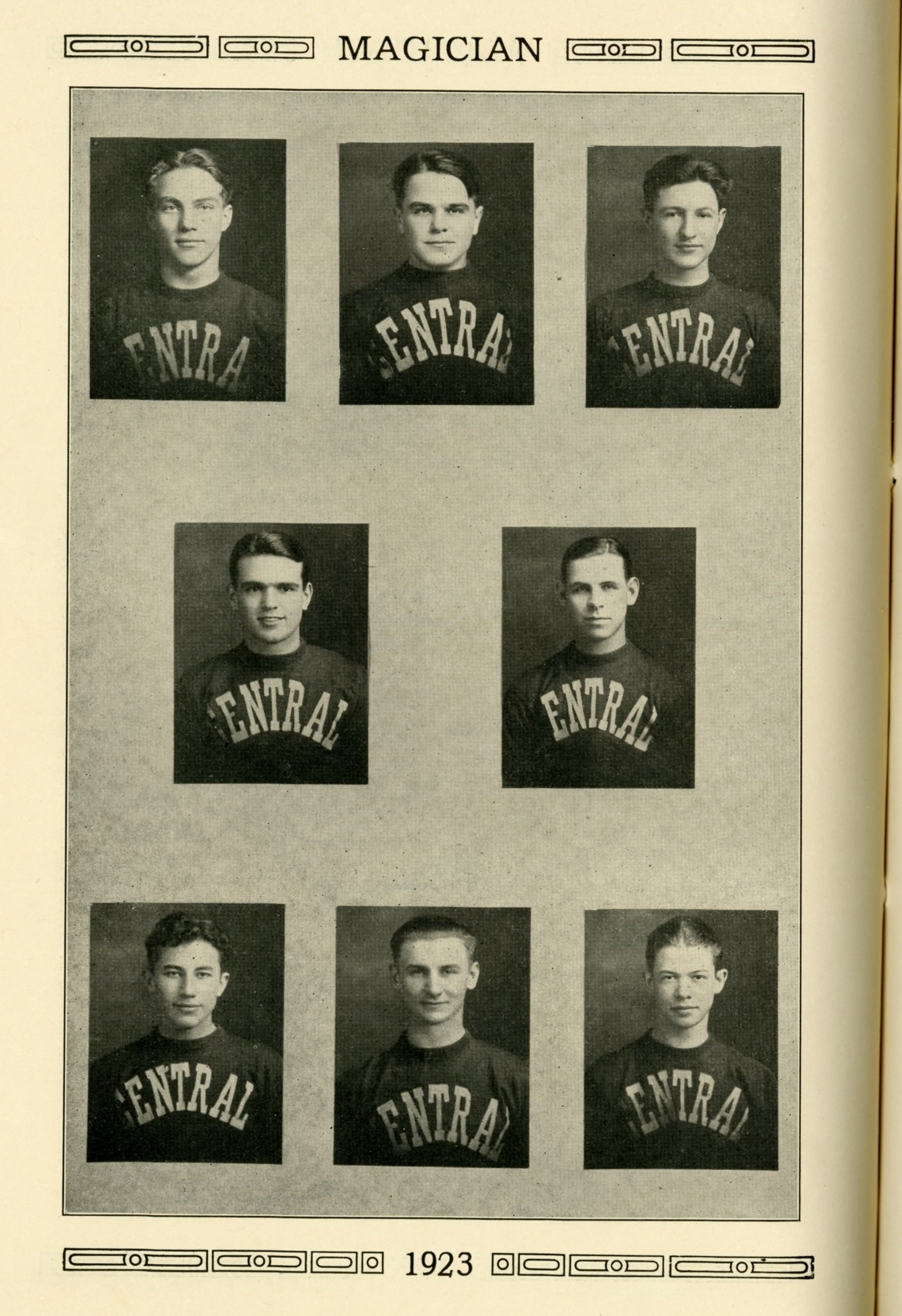
In the 1920s, a family of brothers and their cousin ruled the basketball Industrial League in Muncie. This league, part of the YMCA program, was comprised of teams of workers from many of the prominent businesses in town. The Bebout family…were the driving force behind the Ball Brothers Factory team winning numerous city championships.

Building on Success: A Look Back at 2024 and What’s Ahead in 2025
As we look ahead to 2025, let’s take a moment to reflect on 2024—a year of growth, excitement, and transformation. It was a year of expanding our reach, deepening our connections, and, most importantly, embracing a renewed Mission and Vision. These refreshed guiding principles continue to shape our work, ensuring that we stay focused on what matters most: building a vibrant, inclusive space for learning, creativity, and community engagement.

Dear Aunt Caddie
Explore the remarkable life of Clara 'Aunt Caddie' Wolfe Bell, a beloved figure whose family connections, cultural contributions, and enduring legacy left an indelible mark on Indiana’s history and the Minnetrista community.

Open Space: Art About the Land–Celebrating Nature’s Creative Power and Award-Winning Works
Open Space: Art About the Land has been more than just an art exhibition—it’s a vibrant celebration of the natural world and the boundless inspiration it offers to artists.

A Night of Magic: Highlights from the Enchanted Luminaria Walk
Minnetrista Museum & Gardens kicked off the holiday season with one of our most beloved traditions—the Enchanted Luminaria Walk. On December 6 and 7, thousands of visitors joined us for two unforgettable evenings filled with warmth, wonder, and the joyful spirit of the holidays.


2024 Holiday Gift Guide from The Orchard Shop
There's truly something for everyone at The Orchard Shop! This gift guide will share some of our favorite picks for the exceptional people in your life!
Celebrating 180 Years of Meeks Mortuary!
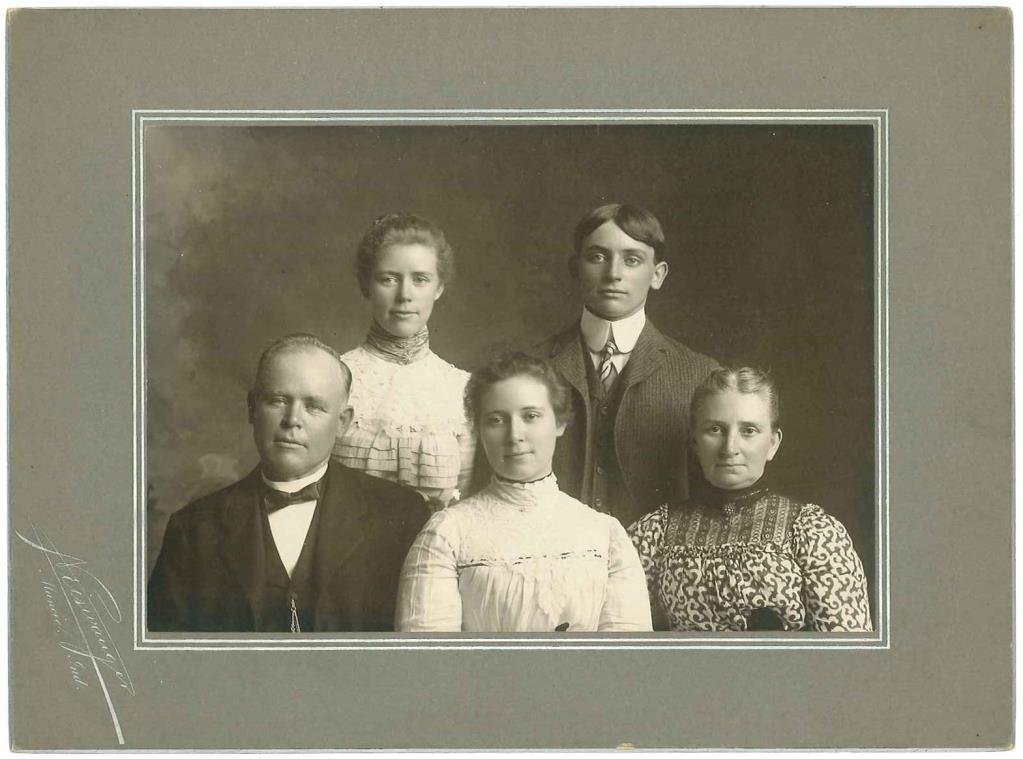
This year marks the 180th anniversary of the Meeks Mortuary & Crematory, the oldest business in Delaware County. To celebrate the occasion, we wanted to highlight the history of the company and its long-running support of Minnetrista Museum & Gardens.
Mosquitos!
Summer is the time for that dreaded biting creature known as the mosquito. One hundred years ago the pests were thriving in central Indiana causing cities and towns to take action and attempt to control and/or destroy them.

Take Me Out to the Ball Game!
Summer is here, and America’s favorite pastime is in full swing! With Little League and College seasons wrapping up and Minor and Major League seasons taking off, it’s a good time to highlight some of the interesting baseball-related artifacts in our collection.
